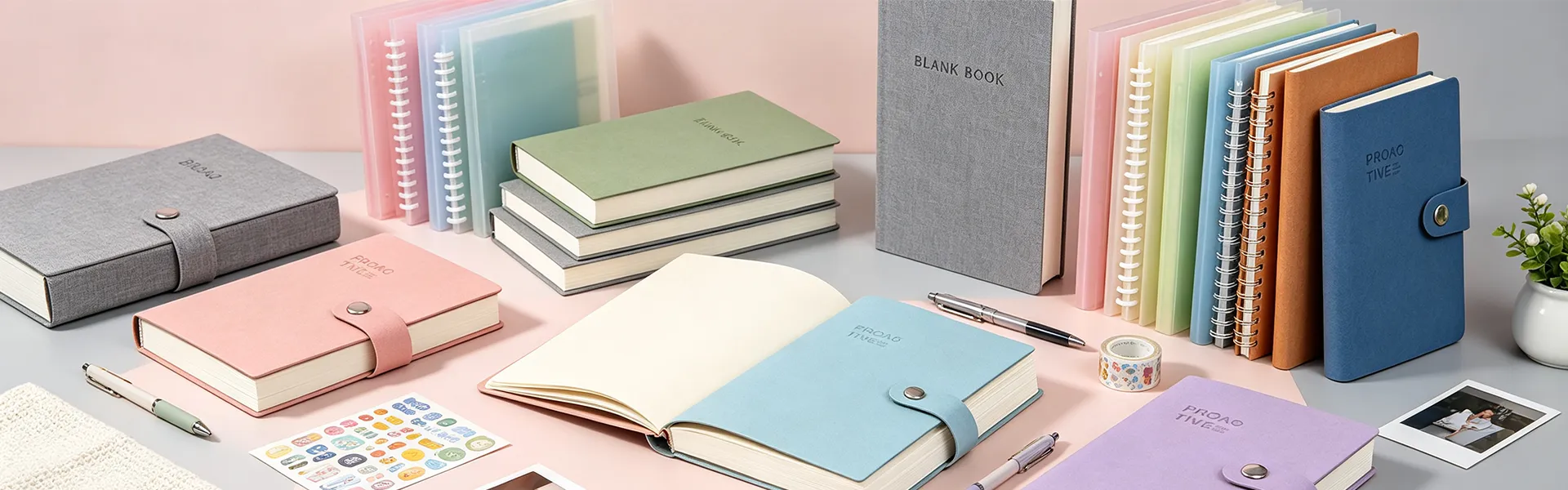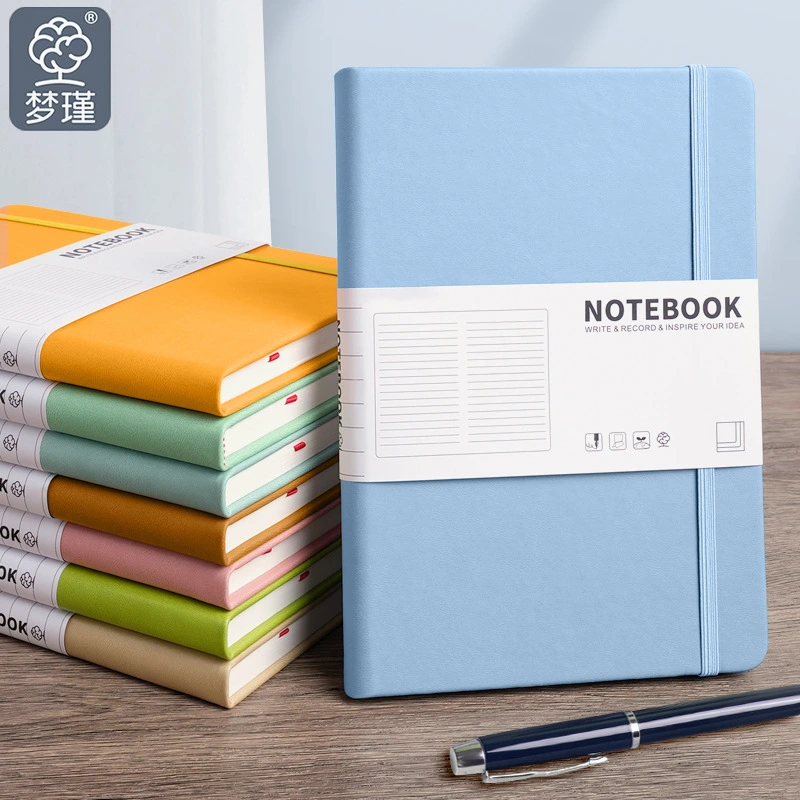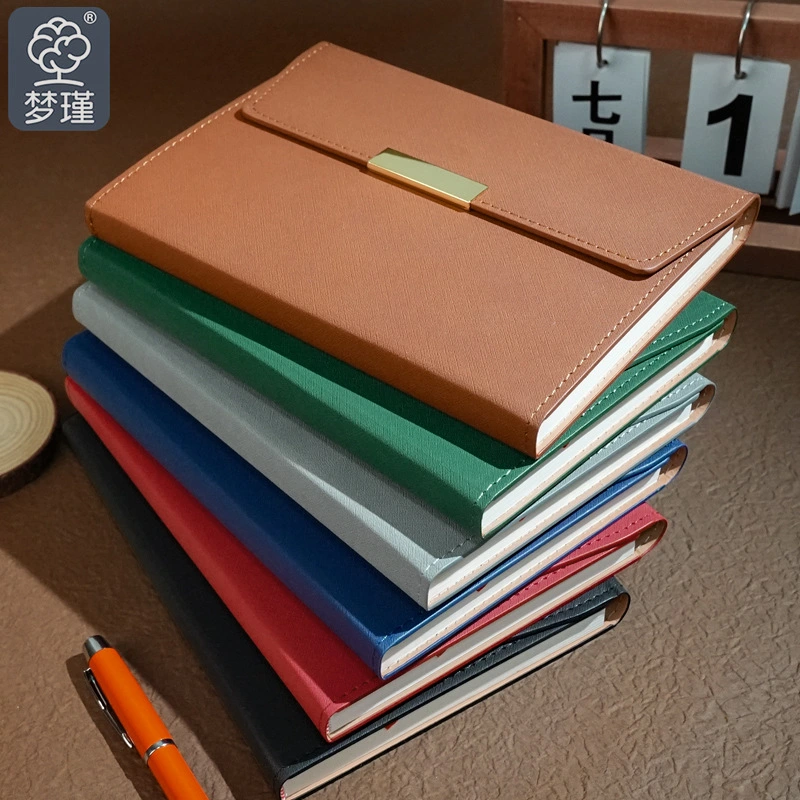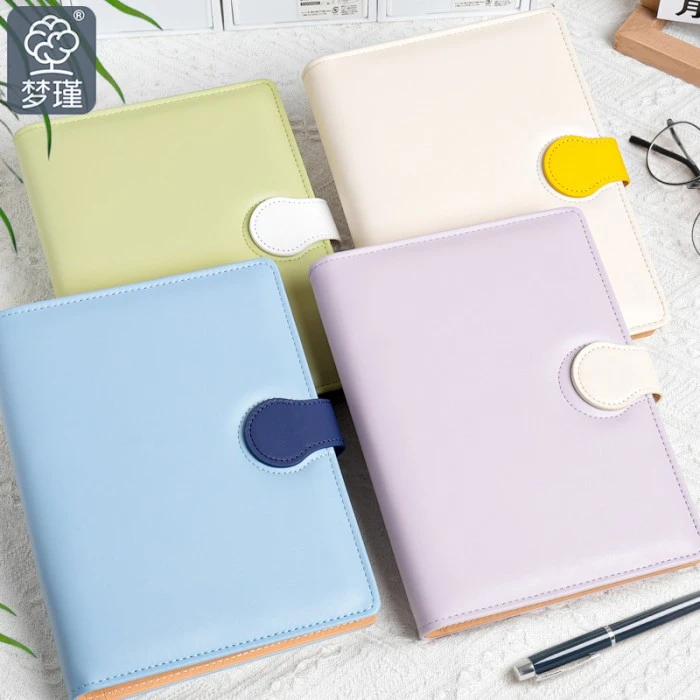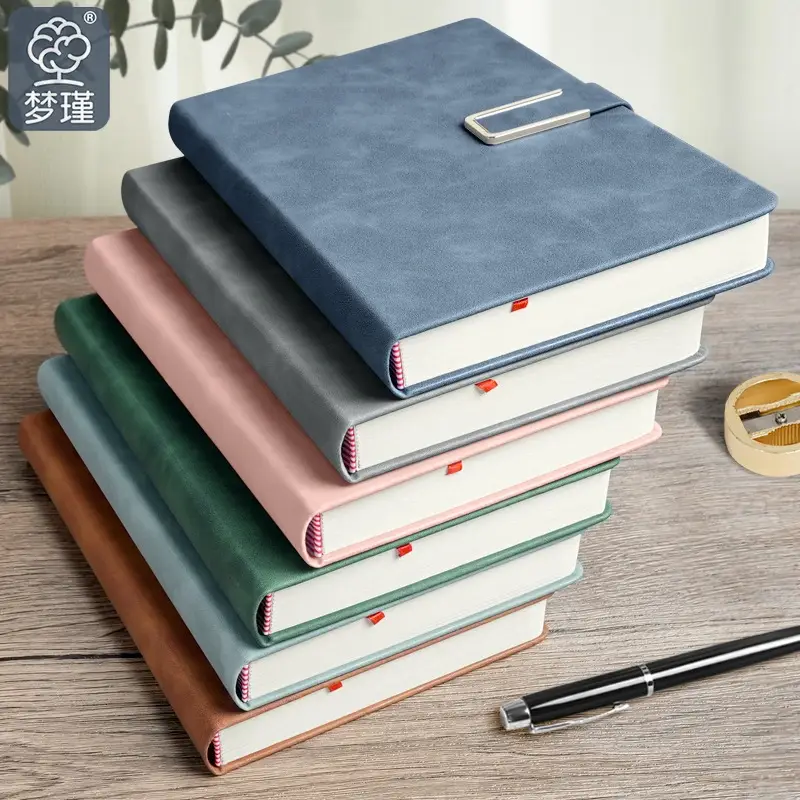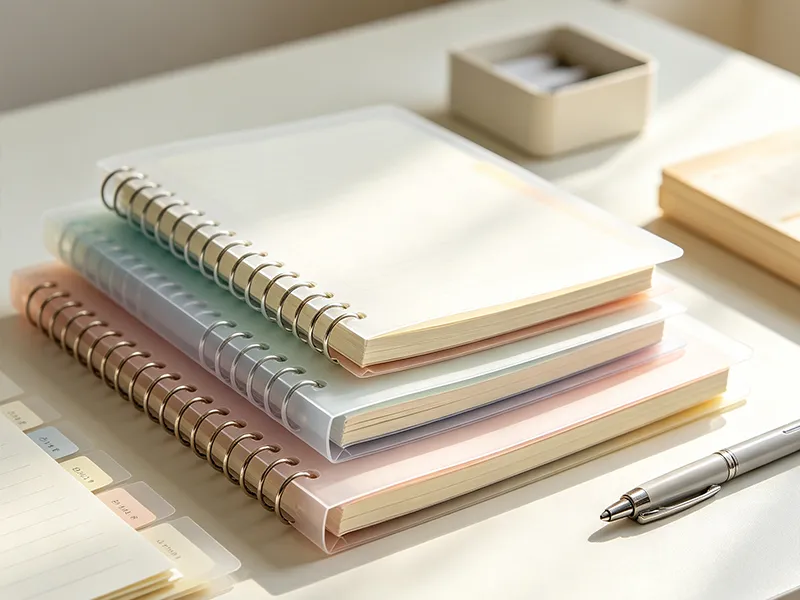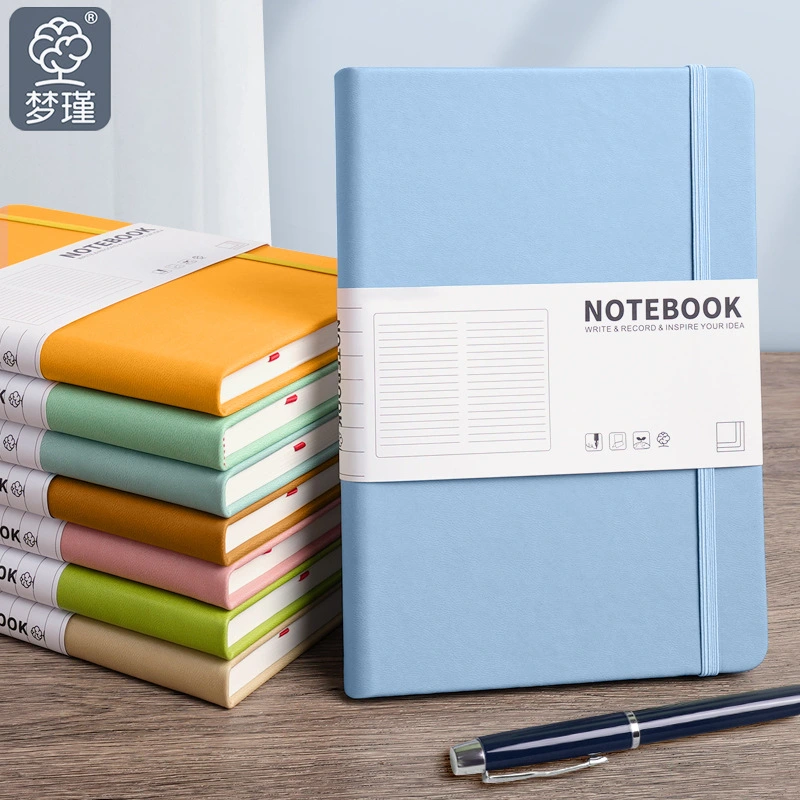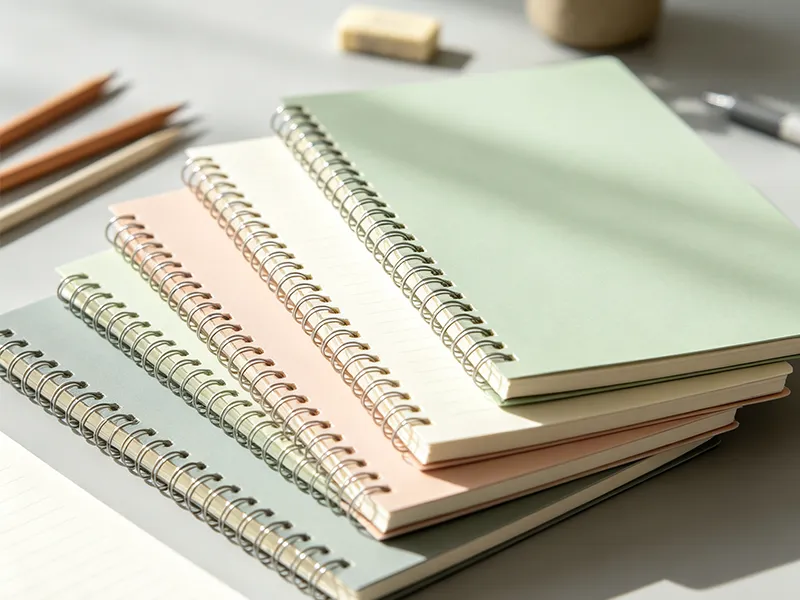
A well-designed writing journal is more than a place to record information; it is a practical companion for organizing ideas, documenting experiences, and planning future goals. A Leather Hardcover Writing Journal combines an elegant leather-look exterior with a protective hardcover structure, creating a writing accessory that balances durability, functionality, and professional presentation. Joypaper provides paper stationery and notebook solutions designed for different personal, business, and promotional needs, helping customers find suitable journal styles for everyday use and customized projects.
Article Summary: This guide explores the advantages of leather hardcover writing journals, including their cover construction, paper quality, binding options, customization possibilities, and practical applications. It also explains what buyers should consider when selecting journals for personal use, corporate gifts, retail collections, or promotional campaigns.
1. What Is a Leather Hardcover Writing Journal?
2. What Are the Key Features of a Leather Hardcover Writing Journal?
3. Why Choose a Leather Hardcover Writing Journal?
4. How Do Paper Quality and Binding Affect Writing Performance?
5. What Are the Best Uses for Leather Hardcover Journals?
6. What Customization Options Are Available?
7. How to Choose the Right Leather Hardcover Writing Journal?
8. Leather Hardcover Journal vs. Other Notebook Types
A leather hardcover writing journal is a notebook featuring a leather or leather-like exterior attached to a rigid cover structure. Unlike ordinary paper notebooks with flexible covers, this design offers additional protection for the inner pages while creating a refined appearance suitable for professional and personal environments.
The leather exterior can be manufactured using different materials, including PU leather and genuine leather, depending on the product specification, target market, and budget. PU leather is particularly popular in commercial stationery production because it offers a consistent appearance, a variety of color options, and flexibility for customized branding.
The hardcover construction helps protect written content against everyday handling, pressure, and minor external damage. It also provides a more stable writing surface when users need to take notes without a desk.
Depending on the intended application, a leather hardcover journal can incorporate:
These features make leather hardcover journals suitable for people who appreciate organized writing tools with a balance of appearance and practicality.
When evaluating a leather hardcover writing journal, buyers should look beyond its exterior appearance. Material selection, cover construction, paper performance, and finishing details all influence the overall user experience.
The cover is one of the first elements users notice. A leather-textured surface gives a notebook a more sophisticated appearance than standard paperboard or plastic covers.
PU leather is frequently selected for customized journals because it can offer:
For projects requiring genuine leather, buyers should specify the leather grade and finishing requirements before production.
A rigid cover provides structural support and helps prevent the inner pages from becoming folded or damaged during transportation. This is particularly useful for professionals who carry notebooks between offices, meetings, and business trips.
The hardcover structure also gives the journal a substantial appearance, making it a suitable option for executive stationery and premium promotional gifts.
Different writing activities require different page layouts. A well-planned journal should provide enough writing space while supporting the user's preferred recording method.
Common page configurations include:
Small accessories can significantly improve a journal's convenience. Depending on the selected design, additional features may include an elastic closure, ribbon bookmark, pen holder, inner pocket, or personalized information page.
These details make the journal more practical without compromising its clean and professional appearance.
Leather hardcover journals remain popular because they combine practical writing functions with an attractive presentation. Their advantages extend across personal organization, business communication, and gift applications.
The rigid exterior helps protect pages from bending, creasing, and everyday handling. Compared with many softcover notebooks, hardcover journals offer a more substantial protective structure.
This makes them useful for people who frequently carry important notes, project records, or personal writing materials.
Leather-textured covers create a polished impression that works well in business environments. A simple black, brown, navy, or neutral-colored journal can complement office accessories and professional stationery.
For companies, branded journals can also reinforce visual identity during conferences, training sessions, client meetings, and promotional activities.
A journal should support consistent writing habits. Selecting suitable paper quality, page ruling, and binding construction helps create a comfortable writing experience.
When the notebook is designed with practical page layouts and an easy-to-use structure, users can organize information without unnecessary distractions.
People use journals to document experiences, track personal development, record creative ideas, and preserve important memories. A durable cover helps maintain the notebook's physical condition as it is used over time.
A customized leather hardcover writing journal offers both practical value and branding opportunities. Unlike many disposable promotional products, a useful notebook can remain in regular circulation for an extended period.
Businesses can consider using branded journals for:
Although the leather cover determines much of the journal's appearance, the paper and binding are equally important. These components influence writing comfort, page durability, and overall product quality.
Paper weight is commonly expressed in grams per square meter (GSM). Different paper weights provide different levels of thickness, stiffness, and writing performance.
The following table provides general reference points for selecting paper in a customized journal project. Actual performance also depends on paper composition, coating, texture, and ink type.
| Paper Weight | General Characteristics | Recommended Applications |
|---|---|---|
| 70–80 GSM | Lightweight and economical | Everyday notes and general-purpose notebooks |
| 90–100 GSM | More substantial writing surface | Business journals and premium stationery |
| 100–120 GSM | Thicker paper with greater substance | Higher-end writing journals and selected creative applications |
| Above 120 GSM | Thicker stock suitable for specialized requirements | Sketching, inserts, and selected specialty notebooks |
For buyers planning large production orders, requesting paper samples is a practical way to evaluate smoothness, opacity, ink absorption, and compatibility with different writing instruments.
Binding determines how the pages are connected and how easily the journal opens during use.
| Binding Type | Main Advantages | Suitable Applications |
|---|---|---|
| Sewn Binding | Secure page connection and a traditional book-like appearance | Premium hardcover journals |
| Perfect Binding | Clean spine and streamlined appearance | Commercial notebooks and promotional journals |
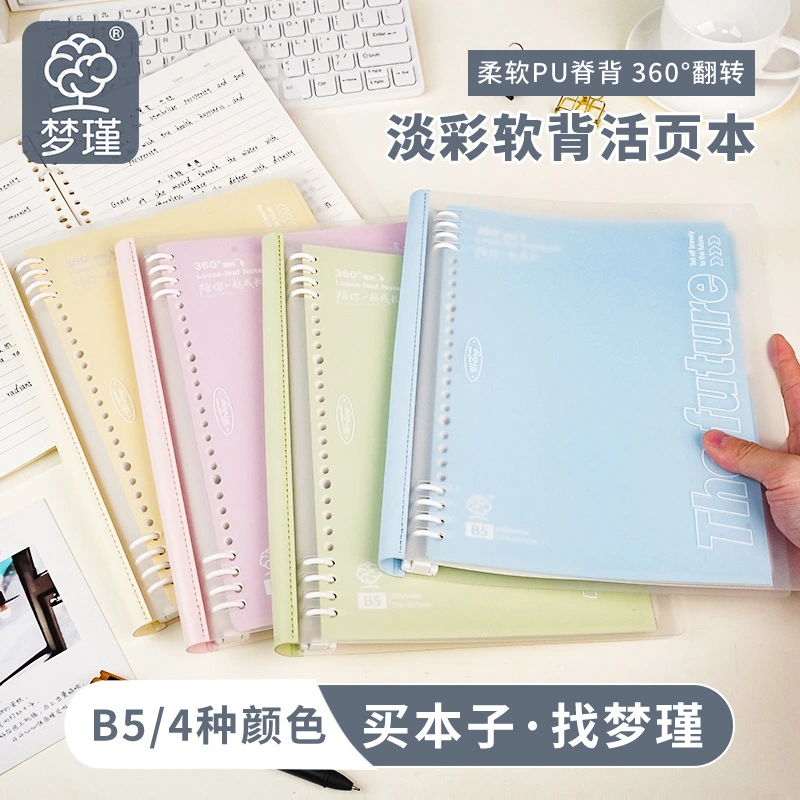
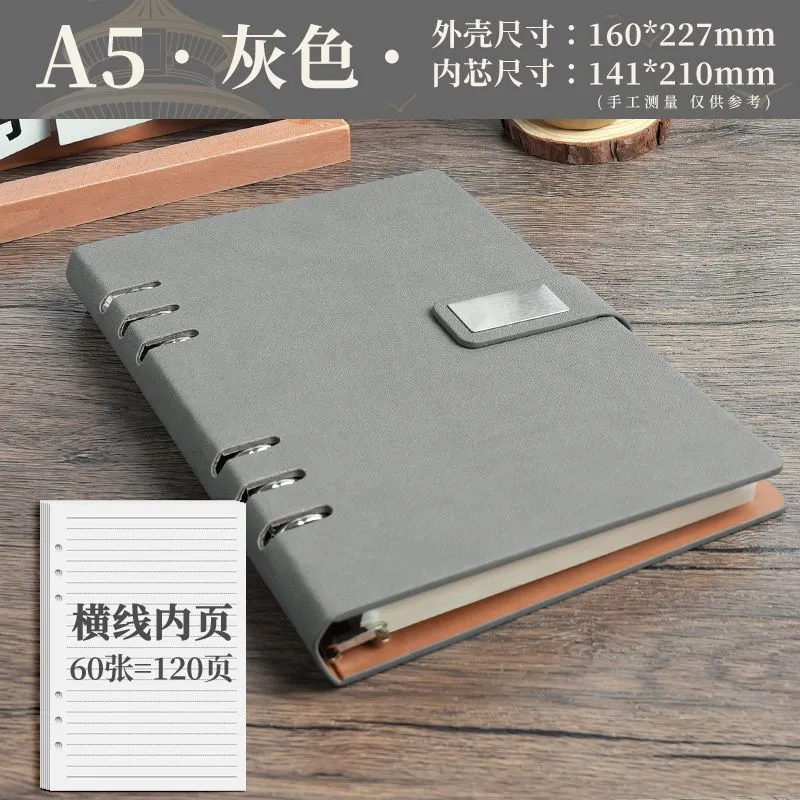
| Loose-Leaf Binding | Allows page replacement or rearrangement | Business planners and reusable organizers |
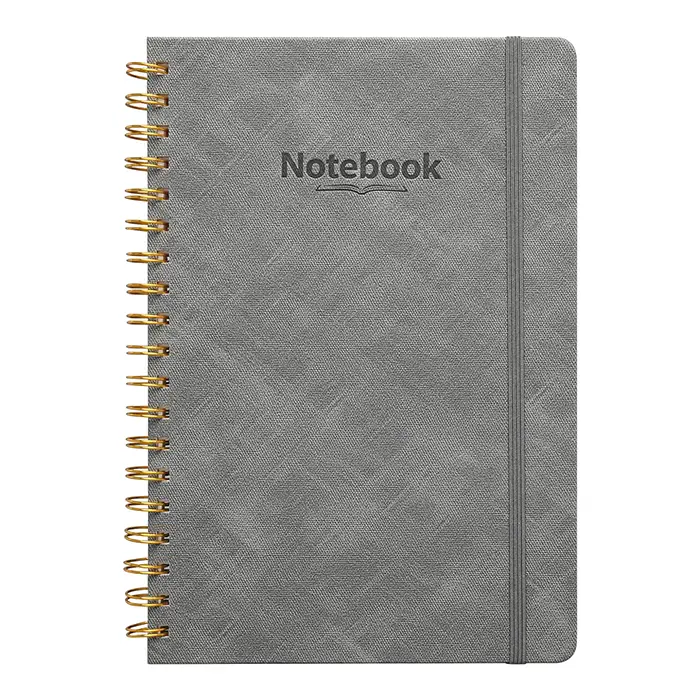
| Spiral Binding | Convenient page turning and flexible opening | Everyday writing and workbooks |
When selecting a binding method, buyers should consider page count, opening requirements, expected usage frequency, and the desired appearance of the finished journal.
The versatility of a leather hardcover writing journal makes it suitable for different users and industries. Its combination of protection, writing space, and customizable presentation supports a wide range of applications.
Professionals can use leather hardcover journals to record meeting discussions, manage project information, document business decisions, and organize daily priorities.
They are especially useful for:
Students can use hardcover notebooks to organize lecture notes, summarize reading materials, prepare examination schedules, and maintain personal study records.
The protective cover is also helpful when notebooks are carried frequently between classrooms, libraries, and study spaces.
For personal users, a leather writing journal can become a dedicated space for daily reflections, travel memories, creative writing, and goal setting.
Blank or dotted pages provide flexibility for sketching and visual organization, while lined pages support traditional writing activities.
Stationery distributors, gift retailers, and corporate purchasing departments can include leather hardcover journals in their product collections.
Custom covers, coordinated colors, and printed inner pages allow businesses to develop products that align with their target markets and brand positioning.
Customization is an important consideration for businesses sourcing leather hardcover journals in bulk. A customized notebook can reflect a company's visual identity while meeting specific functional requirements.
Buyers can explore different cover materials, textures, and colors according to the intended market. PU leather is a practical option for many promotional and commercial projects, while genuine leather may be appropriate for selected premium collections.
Popular color choices include:
Branding can transform a standard journal into a personalized business accessory. Depending on the cover material and design, common finishing techniques include:
Companies can also customize the inside of a journal rather than focusing exclusively on its cover.
Possible options include:
Additional accessories can increase the perceived value of the finished product. Options may include gift boxes, paper sleeves, ribbon bookmarks, elastic closures, pen loops, and document pockets.
For corporate gifting projects, coordinated packaging can create a more consistent presentation and improve the recipient's first impression.
Businesses interested in broader stationery solutions can also explore Joypaper's paper product range to identify complementary notebook and printing products.
Selecting the right journal requires balancing product appearance, functional requirements, manufacturing specifications, and purchasing costs. Before placing an order, buyers should evaluate the following factors.
Start by determining whether the journal will be used for personal writing, business meetings, promotional activities, or retail sales. The intended application influences the appropriate size, page layout, cover material, and finishing details.
Confirm whether PU leather, genuine leather, or another leather-style material is required. Ask for material samples when appearance, texture, and flexibility are important purchasing criteria.
Consider paper weight, color, texture, ruling, and printing requirements. If the journal is intended for fountain pens or other specialized writing instruments, conduct practical ink compatibility tests before approving bulk production.
Inspect the connection between the cover and inner pages. Check whether the journal opens comfortably, whether the spine is properly finished, and whether the pages remain securely attached during normal handling.
For branded projects, prepare the logo artwork, color references, page layouts, and packaging requirements in advance. Clear specifications help manufacturers provide more accurate quotations and samples.
Physical samples allow buyers to evaluate actual materials, printing accuracy, construction quality, and overall appearance before confirming a large order.
A useful purchasing checklist includes:
Not every notebook is designed for the same purpose. Comparing different notebook styles can help buyers identify the most appropriate product for their requirements.
| Notebook Type | Cover Structure | Main Advantages | Typical Users |
|---|---|---|---|
| Leather Hardcover Writing Journal | Leather-style rigid cover | Professional appearance and good structural protection | Professionals, gift buyers, journal enthusiasts |
| Softcover Notebook | Flexible paper or synthetic cover | Lightweight and easy to carry | Students and everyday users |
| Spiral Notebook | Flexible or rigid cover with spiral binding | Convenient page turning and opening | Students and office workers |
| PU Leather Planner | Leather-style cover with planning inserts | Organized scheduling and time management | Business users and planners |
| Ordinary Hardcover Notebook | Rigid paperboard or printed cover | Structured design and various printing options | General stationery users |
Overall, a leather hardcover writing journal is particularly suitable for buyers who prioritize an elegant appearance, protective construction, and opportunities for personalized branding. However, the best choice ultimately depends on the intended application and budget.
PU leather and genuine leather are common options. PU leather offers a consistent appearance and a wide range of customization possibilities, while genuine leather is selected for projects requiring natural leather characteristics. The best choice depends on budget, design preferences, and product positioning.
Yes. Depending on the cover material and manufacturing process, logos can be added through embossing, debossing, hot foil stamping, silk screen printing, or other suitable techniques. Buyers should confirm artwork requirements and available finishes with the manufacturer.
Common choices include wood-free paper, offset paper, and other writing-grade paper stocks. Buyers can select lined, blank, dotted, or grid layouts. Paper weight should be determined according to the intended writing instruments and product positioning.
Yes. Their professional appearance, practical writing functions, and customizable covers make them suitable for corporate gifts, employee welcome kits, business events, exhibitions, and customer appreciation programs.
Buyers should inspect the cover material, surface finishing, hardcover rigidity, paper quality, binding strength, printing accuracy, and accessory installation. Requesting a physical sample before bulk production is recommended.
Yes. Depending on the manufacturing capabilities and order specifications, inner pages can be customized with different paper types, page layouts, printed calendars, company information, and other functional content.
Important considerations include minimum order quantity, material specifications, dimensions, page count, logo finishing, packaging, sample approval, production lead time, and quality control requirements. Providing a complete product specification helps streamline the quotation and manufacturing process.
Keep the journal in a dry environment and avoid prolonged exposure to direct sunlight, excessive moisture, and high temperatures. For PU leather covers, use a soft, slightly damp cloth when appropriate and follow the material supplier's cleaning recommendations.
A leather hardcover writing journal combines protective construction, practical writing functions, and a refined appearance in one versatile stationery product. From everyday note-taking and creative journaling to professional documentation and corporate gifting, it provides a flexible solution for different users and purchasing needs. Choosing the right cover material, paper specifications, binding method, and customization details is essential to achieving a product that meets both functional and presentation expectations. Whether you are a stationery distributor, brand owner, corporate buyer, or retailer looking for customized journal solutions, Joypaper can help you explore suitable paper product options for your project. If you are planning a new stationery collection or sourcing customized journals for your business, contact us today to discuss your requirements, explore product possibilities, and find a suitable solution for your market.